A panniculectomy is a surgical procedure that removes the pannus, the apron of excess skin and fat that hangs from the lower abdomen after major weight loss, so your body finally matches the work you put in.
After substantial weight loss, whether through GLP-1 medications, weight loss surgery, or years of effort, skin that stretched for decades cannot snap back. The result is hanging skin that traps moisture, breeds rashes and infections, strains your back, and gets in the way of clothes, exercise, and daily life. No diet removes it. No workout tightens it. The pannus comes off in an operating room or it stays.
In Beverly Hills, board-certified plastic surgeon Dr. Jaime Schwartz MD FACS has made body surgery after major weight change a center of his practice, from routine pannus removal to the high-grade cases other plastic surgeons refer out.

WHAT DOES PANNICULECTOMY SURGERY INCLUDE?
The operation is performed under general anesthesia and usually takes between 2 and 5 hours depending on the size of the pannus. Surgeons grade a pannus from 1 to 5 by how far it hangs, from covering the pubic area at grade 1 to reaching past the knees at grade 5, and the grade drives both the surgical plan and the time on the table. In most cases it is performed at an accredited surgical center, with an overnight stay for larger removals.
The goal is focused: remove the overhanging skin and fat, relieve the symptoms it causes, and leave a smoother abdominal contour. Here is what the procedure typically involves.
Removing the pannus
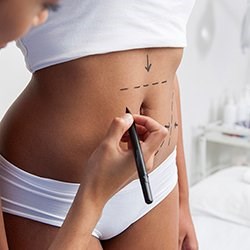
Dr. Schwartz makes a horizontal incision low across the lower abdomen and removes the hanging skin and fatty tissue as a single piece, which can weigh from a few pounds to more than twenty. When excess tissue extends outward, a vertical wedge is added to bring the sides in. The remaining abdominal skin is brought down and closed in layers, with small tubes placed to drain fluid during early healing. The American Society of Plastic Surgeons defines panniculectomy as removal of the pannus without muscle tightening, and that focus is what makes recovery more manageable than a full abdominoplasty.
Combined procedures
A pannus often hides other problems. When an umbilical or ventral hernia sits behind it, hernia repair can be performed in the same operation. Patients with separated abdominal muscles can add muscle repair, effectively converting the procedure toward a tummy tuck. Liposuction of the flanks can refine the result. Combining work into one surgery means one round of anesthesia and one recovery instead of several, and Dr. Schwartz plans the combination during your exam rather than discovering it on the table.
What a panniculectomy does not do
On its own, a panniculectomy does not tighten abdominal muscles, reposition the belly button, or sculpt the waist. Those belong to a tummy tuck. If your primary problem is an apron that hangs, panniculectomy solves it. If your wall bulges from stretched muscle, abdominoplasty repairs it. Many patients after major weight loss need elements of both, which is exactly what the consultation sorts out. Still deciding whether what you see is a true pannus? The apron belly guide walks through the difference.
HOW IS THE CONSULTATION STRUCTURED?
During your consultation, Dr. Schwartz takes time to understand what the pannus is doing to your daily life: the rashes and infections under the fold, the back strain, the clothes that fit everywhere except the waist. He reviews your complete medical history, your weight history, and any medications and herbal supplements you take, since several, including anti-inflammatory drugs, affect surgical bleeding.
He then performs a full 360-degree physical examination, grades the pannus, checks the muscle wall and skin quality, and screens for hernias hiding behind the tissue. You leave with a specific surgical plan, a realistic read on recovery, and a cost estimate so there are no surprises. Patients traveling for treatment can start with the guide to getting a panniculectomy in Los Angeles.
FEATURED ON





WHAT DOES RECOVERY LOOK LIKE?
Recovery is real, and knowing the arc keeps normal healing from feeling like a setback.
First 1 to 2 weeks: You will wear an elastic bandage or compression garment from day one and manage drains at home, emptying and logging them until output falls. Drains typically come out within the first week. Expect swelling, tightness, and a hunched posture that straightens gradually. Walking starts the day of surgery to keep blood moving. Nothing strenuous, no lifting.
Weeks 2 to 4: Desk work resumes, and daily life largely returns. Swelling still hides part of the result, especially by evening.
Weeks 4 to 6: Energy climbs and activity restrictions loosen. By week six, most patients are cleared for exercise and lifting.
After six weeks: Normal life, including workouts. Residual swelling keeps fading over several months while the smoother abdominal contour settles in and the scar begins its long shift from red to pale.
The Rapid Recuperation™ protocol shapes this timeline: gentle anesthesia techniques and structured pre- and post-operative care built to shorten recovery without cutting corners on safety.
WHAT DOES IT COST?
There is no fixed price because no two removals are identical. It depends on the grade of the pannus, facility and anesthesia fees, and whether hernia repair, muscle repair, or liposuction is combined. When a pannus causes documented rashes, infections, and functional problems, some plans treat removal as reconstructive rather than considered cosmetic. Every plan sets its own criteria, and the full qualification process is laid out in the guide to getting a panniculectomy covered by insurance. The office also works with financing through CareCredit and Alphaeon Credit if you prefer to spread the cost out.
WHO IS A GOOD CANDIDATE?
The best candidates have finished losing weight and held a stable weight for six months or more, are in good health overall, and have a pannus that hangs over the pubic area or genital area and causes symptoms: recurring rashes or infections in the fold, back strain, interference with walking and other physical activities, or simply a body that no longer matches the weight loss you achieved. Smoking has to stop well before surgery, and realistic expectations matter, because this procedure trades hanging skin for a long, low scar that fades over time.
During your consultation, Dr. Schwartz reviews your history and walks through what is realistic for your body and goals. No pressure, no upsell. Just a clear-eyed conversation about what the surgery can do and what recovery will actually look like.
If you are ready to explore your options, the office is right off Wilshire and La Cienega in Beverly Hills.
240 S La Cienega Blvd #200
Beverly Hills, CA 90211
FAQS
What is the difference between a panniculectomy and a tummy tuck?
A panniculectomy removes hanging skin and fat below the belly button. A tummy tuck removes the and tightens the excess skin above the belly button as well. It also tightens separated abdominal muscles and repositions the belly button. The exam decides which fits: an apron that hangs points to panniculectomy, a wall that bulges points to abdominoplasty, and many weight loss patients combine both in one operation.
Do I need to be done losing weight first?
Yes. Tissue removed today cannot account for skin that loosens next year, so surgeons want your weight stable for at least six months. If you are on a GLP-1, that does not disqualify you; the medication is typically paused around surgery and restarted afterward on your surgeon's schedule. The details are in the guide to stopping Ozempic and other GLP-1s before plastic surgery.
Will I have a visible scar?
All surgery leaves scars. The panniculectomy incision runs low across the abdomen, placed where underwear and swimwear cover it, and fades over twelve to eighteen months. Dr. Schwartz's Scar Secure™ protocol uses research-backed techniques to keep it as flat and inconspicuous as possible.
Can a panniculectomy be combined with hernia repair?
It can be done together if it is necessary. Repairing a hernia while the pannus stays in place leaves weight pulling against the repair. Doing both in one operation protects the hernia repair, spares you a second recovery, and is planned during your exam whenever imaging or a physical exam finds a hernia behind the tissue.
Are the results permanent?
The removed skin and fat do not come back. The result depends on maintaining a stable weight: significant new weight gain can stretch the remaining tissue, while patients who hold their weight keep their contour for good. The rashes, infections, and mobility problems the pannus caused typically resolve for good once the fold is gone.
RELATED PROCEDURES
 After Weight Loss Surgery
 - Arm Lift
- BodyTite
 Bra Line Back Lift
 - Brazilian Butt Lift
- Butt Implants
- Cellulite Reduction
- CoolSculpting® Side Effects
- Ehlers Danlos
 Fat Transfer
 - Lipedema (Painful Fat Syndrome)
 LipoLift® in Thigh Lift Surgery
 - LipoLift® Lower Body Lift
- Liposuction (SmoothLipo)
- Mommy Makeover
- Reverse Tummy Tuck
- Scars and Treatments
- Tummy Tuck